LF logo
by learnformula
search
Log in
search
Courses/Audit & Assurance/Anti Money Laundering

Using AI to Solve Complex AML Challenges: False Positives, OSINT, Sanctions, and UBO Analysis

Leverage artificial intelligence to slash false positives, streamline OSINT research, navigate global sanctions, and decode complex UBO networks for a robust compliance strategy.
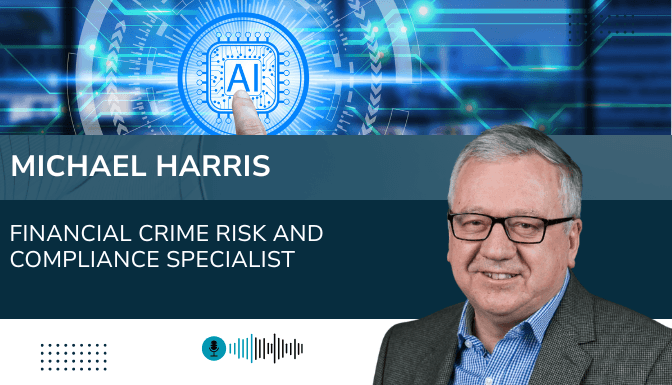
Created byMichael Harris
BeginnerUpdated Aug 5, 2026
Using AI to Solve Complex AML Challenges: False Positives, OSINT, Sanctions, and UBO Analysis

What You'll Learn

check_circleAnalyse how AI tools can be applied across the AML lifecycle, including alert triage, false positive reduction, and investigative prioritisation.
check_circleEvaluate the use of AI in enhanced due diligence processes, including OSINT, adverse media screening, and beneficial ownership analysis.
check_circleApply AI-driven techniques to complex AML challenges such as sanctions evasion detection, network mapping, and source of wealth/funds assessments.
check_circleAssess the governance, model risk, and regulatory considerations required to implement AI effectively within AML compliance frameworks.

About This Course

Anti-money laundering compliance teams are under increasing pressure from high alert volumes, complex ownership structures, evolving sanctions regimes, and growing expectations around investigative depth. Artificial intelligence is now emerging as a practical tool to improve efficiency and decision-making across the AML lifecycle — but its use must be carefully governed to manage regulatory and operational risk.

This advanced session explores how AI can be applied to core AML challenges, including false positive reduction, OSINT and adverse media analysis, sanctions screening, beneficial ownership identification, and enhanced due diligence. It also addresses the practical limitations, governance requirements, and risk controls necessary to deploy AI effectively within regulated financial environments.

Key Topics Discussed

  • AI-driven false positive reduction and alert triage
  • OSINT and adverse media analysis using AI tools
  • Source of wealth and source of funds analysis
  • Sanctions screening and evasion detection techniques
  • UBO identification and ownership structure analysis
  • Network and relationship mapping in AML investigations
  • AI-assisted enhanced due diligence workflows
  • Practical limitations of AI in compliance environments
  • Governance, oversight and model risk considerations
  • Regulatory expectations for AI in AML programs

Your Instructor

Michael Harris
Michael Harris

Financial Crime Risk and Compliance Specialist

menu_book3 courses
star1 reviews

Michael is an independent financial crime risk consultant at FCC Consulting and works with technology and data companies who provide anti-money laundering and anti-bribery compliance solutions. With a career spanning four decades in international business, Michael offers unique insights into the changing geo-political risk landscape, the evolution of financial crime regulation, the genesis and development of AML and ABC regulation, and how data and technology can empower organisations. Michael is a regular writer, speaker and contributor on financial crime topics in the media. Since 2008 Michael has specialised in the financial crime compliance sector, providing risk intelligence data and technology and subject matter expertise in KYC/AML in financial services and anti-bribery and corruption risks, KYS, third party on-boarding and ongoing monitoring. He is qualified as an ACAMS certified anti-money laundering specialist. Combining regulatory and technical expertise, anti-money laundering and anti-bribery and corruption legislation knowledge with extensive sales, business development and leadership experience. He has a deep understanding of AML and ABAC controls, processes and procedures for all forms of financial crime compliance including anti-money laundering and countering of terrorist financing regulations and bribery act.

Credit Information

What Students Are Saying

0.0
Student's Choice
0 reviews

Frequently Asked Questions

We are a registered provider with 327+ associations and regulatory bodies worldwide. We operate across 29 global markets including Canada, the US, Australia, and the UK. Every course page clearly displays its specific accreditations. Upon completion, you receive a professional certificate that can be validated online. Our certificates include all necessary accreditation details, credit hours, and completion dates, and are formatted specifically to meet the submission requirements of most global regulatory bodies.

You May Also Like

Human Resources: Workforce Planning and Talent Management

Managing your Global Remote Workforce

star5.0(1)
1 CPD hr
Communication: Nonverbal Communication

How to Interview Like the Dickens

star5.0(1)
1.5 CPD hrs
Accounting & Tax: Technology for Accountants

AI Finance: Build Your Automated Reconciliation Tool with AI – Part 3/3

2.5 CPD hrs